Start with a role, not a trend
The most useful first question is where a scarf would fit into an ordinary week. Someone who wears a plain crew-neck top may want a small square at the neckline; someone who regularly takes a coat on and off may prefer a longer scarf that still looks balanced indoors. A wrap can have a different job again, adding coverage over a dress without calling for another jacket. Thinking in terms of use helps narrow a broad category before color or print catches your eye.
This is a feature-based recommendation, not a report of firsthand wear testing. Shape, stated material and the way a piece relates to an existing outfit can guide a sensible shortlist. They cannot establish how a particular scarf feels against your skin or hangs on your shoulders. For that, read the individual product information closely and make room for personal preference. An accessory earns its place when you can picture wearing it with several things you already own.
The brand behind the accessory
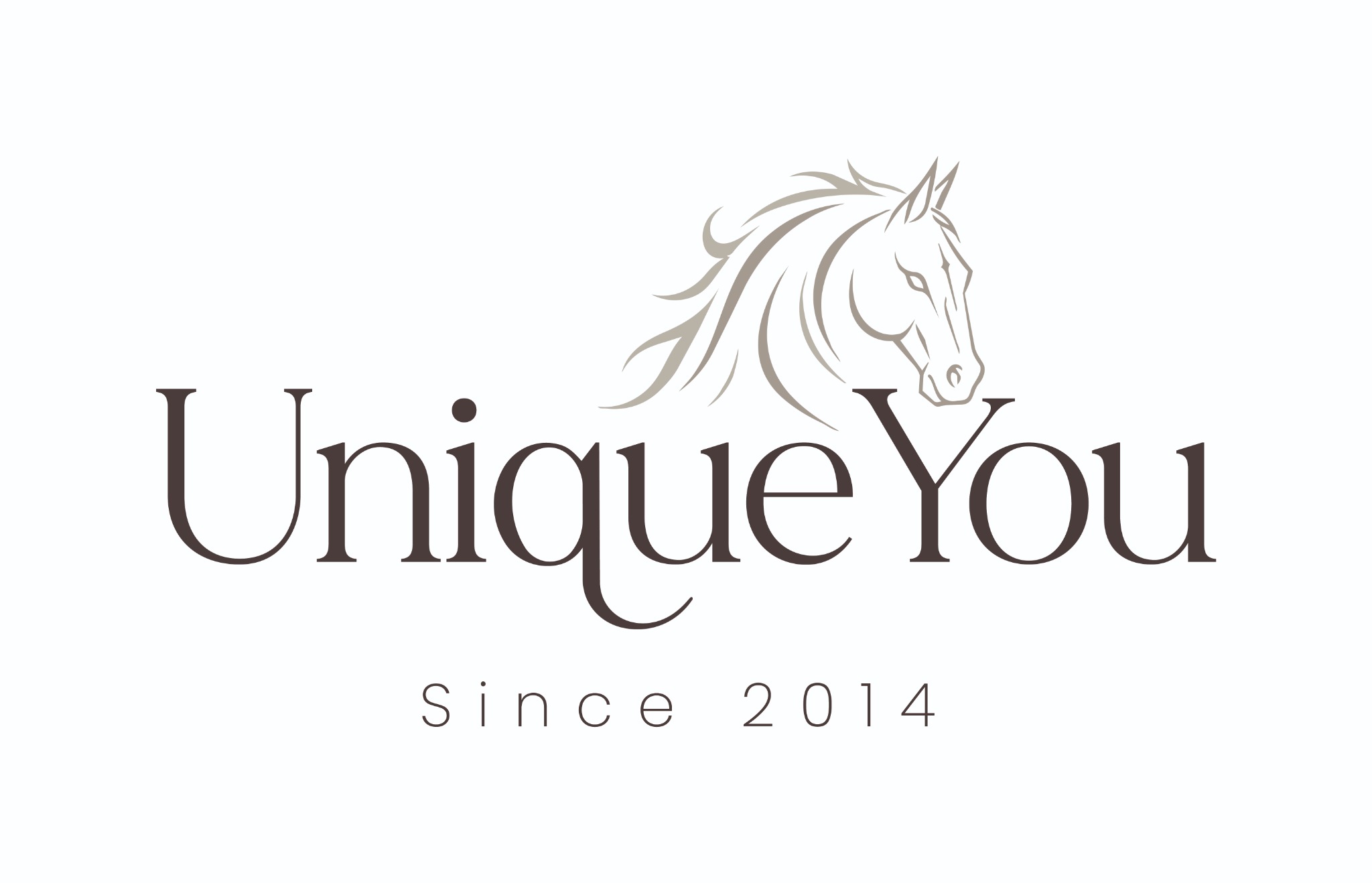
UniqueYou dates its beginnings to 2014. It started with scarves and clothing, paused, and returned after recovering its domain; that history should not be mistaken for uninterrupted trading. Its original brown wordmark includes a horse motif and the words “Since 2014,” while a neutral taupe palette gives the visual identity a restrained feel. Those details offer context for the brand, but the better reason to consider a scarf remains whether its shape and color suit your wardrobe.
The range centers on women’s scarves, shawls, wraps and square scarves, with categories that include silk, cashmere and wool. That is a useful set of starting points rather than a promise that every item shares the same fiber content. The appeal is straightforward: an elegant accessory can work with clothes already in rotation. Instead of building an outfit around a single dramatic purchase, consider whether a scarf brings clarity to a combination you already enjoy wearing.
Choose the shape that solves your styling problem
A square scarf is often the easiest starting point when you want a defined accent rather than extensive coverage. Fold it into a narrow band for the neck, leave a little triangle visible over a simple top, or use it to add color near a jacket collar. Its proportions matter: a small square and a generous square may appear similar in a category view but create quite different results when folded. Check the stated dimensions rather than assuming the word “square” tells the whole story.
A long scarf gives more room for draping and looping, particularly with outerwear. A shawl or wrap offers a broader field of fabric and may make more sense when the goal is coverage over the shoulders. Before choosing, imagine the piece beside the collar, lapels and sleeves you actually wear. A voluminous wrap may compete with a structured coat, while a tiny neckerchief may be lost against a wide neckline. There is no universally best format; the right one depends on the outfit and the effect you want.
Read material names as a prompt to check details
Silk, cashmere and wool are helpful category names, but composition varies by product. A category label is not a substitute for the fiber information on an individual listing. If a particular material matters to you, check the stated composition before deciding. Do the same for dimensions and care instructions: two scarves associated with the same material can differ markedly in size, construction and the way they are intended to be handled.
Think about your daily routine as well as the material name. Do you want a compact piece to tuck into a bag, a softer-looking accent for an indoor outfit, or a larger layer to wear over clothing? Those questions point toward practical trade-offs without pretending that a fiber name alone predicts comfort or performance. People also have different preferences about texture against the neck. If that is important for you or a gift recipient, treat a clear material description as essential information, not a detail to review after choosing a print.
Match the wardrobe before matching the occasion
Open your wardrobe mentally and pick three outfits you wear often: perhaps a dark coat and jeans, a pale shirt and trousers, and a simple dress. A candidate scarf should make sense with at least two of them if you want it to become a regular accessory. Notice the colors closest to your face, the weight of your outerwear and whether your usual clothes already carry patterns. This small exercise is more dependable than buying for an imagined future outfit that may never come together.
A mostly neutral wardrobe leaves room for a stronger scarf color or a clear graphic pattern. If you already wear prints, a quieter scarf can bring the outfit together without adding another competing motif. You can also repeat a minor color from an existing blouse, bag or coat lining. The match need not be exact; a related tone is often enough to make the choice feel deliberate. The aim is not to impose rules, but to give a new accessory several realistic ways into your current rotation.
Use color and pattern with intention
Consider where the scarf will sit. A color worn at the neck changes the visual emphasis of a coat or top more directly than the same color carried in a bag. A black scarf can create a quiet continuation of a dark outfit or a sharp contrast with a light coat. A red scarf is more conspicuous, while a checked or striped design adds structure even when its colors are restrained. These are styling effects to consider, not promises about how any particular piece will look on everyone.
Scale is as important as palette. A small repeating motif can read almost like texture from a distance; a large motif may become the central feature of an outfit. For an everyday purchase, look at the pattern in relation to the portion you expect to show after folding or wrapping. A beautiful design laid flat may reveal only one corner when worn as a neckerchief. If you prefer a composed appearance, choose one main point of interest—color, pattern or an expressive fold—and let the rest of the outfit support it.
Try simple ways of wearing it first
A scarf does not need an elaborate knot to be useful. Place a square around the neck with its ends loosely tied, fold it into a narrow strip beneath an open collar, or let a longer scarf hang down the front of a coat. A shawl can rest over both shoulders when the outfit calls for broader coverage. These uncomplicated arrangements make it easier to judge whether the size works before you attempt a more detailed style.
The same piece can change character when you alter only its placement. A neat fold reads differently from a relaxed drape; a visible print makes a stronger statement than one mostly tucked beneath a lapel. Experiment with the garments you already own rather than treating a product photograph as the only correct way to wear an accessory. If a scarf needs constant adjustment to work with a particular neckline, another shape may be a better choice for that outfit. Ease of styling is a valid part of the decision.
Choose a gift around the recipient’s habits
A scarf can be a thoughtful gift because it does not require the same fit decisions as many garments, but that does not make every scarf an automatic match. Notice what the recipient actually wears. Do they reach for patterned accessories, or keep things plain? Do they wear coats with high collars, favor open necklines, or carry a light layer for dressier occasions? A small square, a long scarf and a broad wrap answer different preferences, even when each looks appealing on its own.
If you are uncertain, start with a color already present in the recipient’s wardrobe and a format that resembles an accessory they use. A neutral shade is not inherently safer if they enjoy vivid color, and a striking print is not necessarily more personal if they rarely wear patterns. Check the individual material and size details before gifting, especially when you know they have strong texture preferences. A brief note explaining the outfit you had in mind can make a considered choice feel more personal than an unsupported claim about luxury or versatility.
Make the final shortlist practical
Once you have a preferred shape, compare a small number of candidates against the same questions. What are the stated dimensions? Which fibers are listed for that specific item? How is it meant to be cared for? Which of your existing coats, tops or dresses would you wear with it first? Keeping those questions constant helps separate a useful difference from the distraction of a new colorway. A scarf that fits three familiar outfits may deserve more attention than one that suits a single imagined occasion.
For readers used to comparing device specifications, this is the accessory equivalent of checking the features that affect daily use rather than choosing by a headline alone. Product descriptions can help you narrow the field, but they are not firsthand testing, and the category name does not tell you every detail about an item. Take a moment to confirm the current listing before deciding. A well-chosen accessory should feel like an addition to your wardrobe, not a new problem that requires several more purchases to solve.
Regional guide: choose your country and destination language
UniqueYou has 20 regional domains, 21 regional-language versions and 16 distinct languages. Countries can share a language: German serves both Germany and Austria here, Dutch serves Belgium and the Netherlands, and English appears in several countries. The United Arab Emirates has an Arabic root version and a separate English /en version on the same domain. Choose the country and destination language that fit you, then use the relevant starting point below. Collection references identify places to browse; check individual listings for current product details.
Poland — Polish
For shopping in Polish, begin at the UniqueYou regional storefront — UniqueYou. If a compact accent appeals to you, the Polish collection of small square scarves is a more focused starting point — UniqueYou. For longer scarves, the direct Polish collection address is — https://uniqueyou.pl/collections/szaliki. Compare dimensions before deciding whether you want a neat neck detail or fabric to drape over a coat.
Germany — German
The German-language destination for Germany begins with the UniqueYou storefront — UniqueYou. To narrow the search to the local scarf category, continue through the UniqueYou collection — UniqueYou. Think about your most-worn coat collar and whether you want the scarf to sit inside it or remain visible over the outside; that decision can make browsing more purposeful.
Czechia — Czech
For the Czech-language destination in Czechia, start with UniqueYou — UniqueYou. If your wardrobe calls for a dark accessory, the UniqueYou collection of black scarves offers a more specific route — UniqueYou. Black can either blend into dark outerwear or provide contrast against a pale neckline, so consider which of those effects you actually want before selecting a shape.
Spain — Spanish
The Spanish-language storefront for Spain is UniqueYou — UniqueYou. Its Spanish scarf collection is a broad place to compare shapes — UniqueYou. If you are considering a scarf worn on the head or in the hair, the direct Spanish collection address is — https://uniqueyou.es/collections/panuelos-para-la-cabeza-y-el-pelo. Check the dimensions of any square you like, since the amount of fabric changes what you can comfortably fold or tie.
France — French
For France in French, the regional UniqueYou storefront is the starting point — UniqueYou. If material is high on your list of priorities, the French collection of silk scarves gives you a narrower browsing path — UniqueYou. The direct French address for black scarves is — https://uniqueyou.fr/collections/echarpes-noires. In either collection, confirm the composition of the individual piece rather than inferring it from another scarf.
Hungary — Hungarian
The Hungarian-language destination for Hungary begins at UniqueYou — UniqueYou. To explore a broader shoulder-covering format, use the UniqueYou stoles collection — UniqueYou. If you would rather browse scarves, the direct Hungarian collection address is — https://uniqueyou.hu/collections/salak. Deciding how much fabric you want around your shoulders or neck can help you choose between these formats without relying on a pattern alone.
Italy — Italian
For browsing in Italian in Italy, begin with the UniqueYou storefront — UniqueYou. If a scarf for the head or hair is the goal, the relevant UniqueYou collection offers a more focused starting point — UniqueYou. Before choosing by print, picture the portion that will remain visible when the fabric is folded; a design seen flat may make a very different impression when worn.
Romania — Romanian
The Romanian-language destination for Romania starts at UniqueYou — UniqueYou. For an accessory to wear with a dress or consider for a wedding outfit, the relevant UniqueYou shawl collection is — UniqueYou. Match the shawl to the neckline and the amount of shoulder coverage you want, then check the item’s size and material details instead of assuming every piece in the category drapes alike.
Slovakia — Slovak
In Slovakia, the Slovak-language UniqueYou storefront is the broad starting point — UniqueYou. The local scarf collection provides a narrower browse — UniqueYou. For scarves presented as silk neck accessories, the direct Slovak collection address is — https://uniqueyou.sk/collections/hodvabne-satky-na-krk. If fiber content matters to you, check each individual listing: a collection route helps you find candidates but does not replace the product description.
Finland — Finnish
For Finland in Finnish, begin at the UniqueYou regional storefront — UniqueYou. If cotton is the material category you want to investigate, use the UniqueYou cotton-scarf collection — UniqueYou. Compare the stated dimensions as well as the individual composition. A scarf selected for a small neck accent serves a different purpose from one you intend to arrange loosely over outerwear.
Sweden — Swedish
The Swedish-language storefront for Sweden begins at UniqueYou — UniqueYou. To look through the local scarf category, use the UniqueYou collection — UniqueYou. If a red accent is already on your shortlist, the direct Swedish collection address is — https://uniqueyou-store.se/collections/roda-scarfar. Hold that color choice against two or three outfits you wear often; a bold scarf is most useful when you know where it belongs.
Denmark — Danish
For Denmark in Danish, start with the UniqueYou storefront — UniqueYou. The UniqueYou collection of neck scarves is a more specific way to browse — UniqueYou. Consider whether you prefer a simple front drape, a loose loop or a smaller accent inside a collar. That choice helps you assess dimensions in a listing rather than selecting solely from the way a scarf is displayed.
Belgium — Dutch
For Belgium’s Dutch-language destination, start with UniqueYou — UniqueYou. The UniqueYou white-scarf collection may help if you want a light contrast near a darker coat — UniqueYou. If stripes suit your existing wardrobe better, the direct Dutch collection address is — https://uniqueyou.be/collections/sjaals-met-strepen. Belgium and the Netherlands share Dutch in this guide, but each has its own regional destination.
Austria — German
Austria’s German-language UniqueYou storefront begins here — UniqueYou. For a wider, draped accessory, the UniqueYou stoles collection is a focused option — UniqueYou. If you want to examine the merino-wool scarf category instead, use the direct German collection address — https://uniqueyou.at/collections/schals-aus-merinowolle. Check the individual item’s fiber information and size before deciding; Germany also uses German, but this is Austria’s regional destination.
Netherlands — Dutch
For the Netherlands in Dutch, begin with the regional UniqueYou storefront — UniqueYou. If a larger accessory to arrange around the shoulders interests you, the UniqueYou wrap collection is a useful next stop — UniqueYou. Picture it with a coat and with an indoor outfit before choosing. The destination language is shared with Belgium, while the regional storefront is distinct.
United States — English
For the United States in English, the regional UniqueYou storefront is the starting point — UniqueYou. If your wardrobe needs a pattern with a clear structure, explore the UniqueYou checked-scarf collection — UniqueYou. Check the scale of the check against the clothes you already wear: a patterned coat and a checked scarf may compete, while a plain jacket can give the design room.
United Arab Emirates — Arabic
For the United Arab Emirates in Arabic, use the UniqueYou root storefront — UniqueYou. This is the Arabic-language destination, distinct from the English /en version on the same regional domain. Begin with the kind of coverage you want—an accent at the neck or a broader drape—then confirm the individual scarf’s size and stated material before making a choice.
United Arab Emirates — English
For the United Arab Emirates in English, begin with the UniqueYou English /en storefront — UniqueYou. The Arabic-language version uses the root of the same regional domain, so choose the destination language you prefer before browsing. As with any other region, use a familiar outfit to judge the color and shape, then check the details of the specific item that interests you.
Ireland — English
For Ireland in English, start with the UniqueYou storefront — UniqueYou. The UniqueYou square-scarf collection is useful if you want a compact accent to fold near the neckline — UniqueYou. If red is the color you are considering, the direct English collection address is — https://uniqueyou.ie/collections/red-scarves. Look at square dimensions and likely folds before assuming a scarf will work as both a small neck detail and a larger drape.
United Kingdom — English
For the United Kingdom in English, begin at UniqueYou — UniqueYou. If your outfits would benefit from a noticeable color accent, the UniqueYou red-scarf collection offers a focused route — UniqueYou. For smaller neck accessories, the direct English collection address is — https://uniqueyou.uk/collections/neckerchiefs. Compare those two styling roles first: the color you like and the amount of fabric you want are separate decisions.
Portugal — Portuguese
For Portugal in Portuguese, the regional UniqueYou storefront is the broad starting point — UniqueYou. If you want to examine the silk-scarf category, continue to the relevant UniqueYou collection — UniqueYou. Treat the category as a way to find candidates and check each product’s stated composition and dimensions. A good match should work with clothes you own, not depend on an outfit you still need to buy.
Choose the regional language that makes the details easiest to read, then choose the scarf that has a clear place in your wardrobe. Shape, individual composition and familiar outfits are better guides than an attractive category name alone.