Start with your phone, not the watch
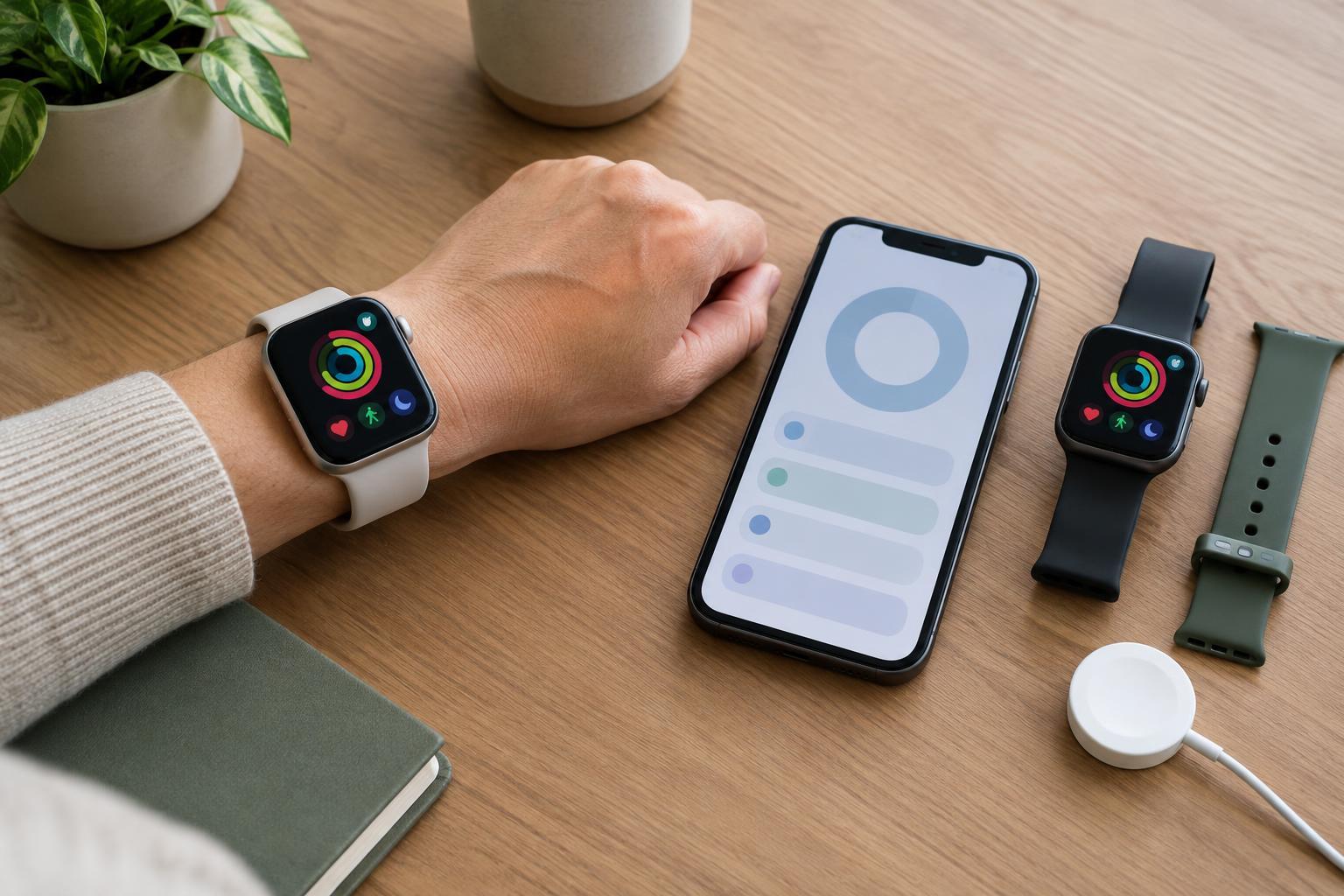
A smartwatch may look like a stand-alone device, but your phone often determines what it can do. Before comparing screens or sensors, check the manufacturer’s current compatibility requirements for your phone’s operating system and version. Some watches work only with one phone platform. Others pair with multiple platforms but offer different features on each. A compatible Bluetooth connection alone does not guarantee access to messaging, payments or health data.
Make a short list of the actions you want to take from your wrist: reading notifications, replying to messages, taking calls, navigating, paying in stores or controlling music. Then confirm each action for your particular phone. Look closely at whether replies are supported, rather than assuming that receiving notifications means you can respond. If you expect to leave your phone at home, check what the watch can do over Wi-Fi and whether a cellular model, carrier plan or phone connection is required for calls and messages.
Also consider the companion app. It is where you may change settings, review activity and install updates. Check that it supports your phone and that its approach to syncing suits you. Switching phone platforms later could affect how much of the watch remains useful, so compatibility matters beyond the first day.
Choose health features you will actually use
Most smartwatches offer some combination of step counts, workout tracking, heart-rate readings and sleep estimates. More expensive models may add features such as ECG recordings, blood oxygen measurements or skin-temperature trends. Availability can vary by model, phone, location and software, so verify the exact feature list before paying extra. A long sensor list is less valuable than clear summaries and reminders that help you follow a habit.
Think about what you want to learn. For regular walks or runs, comfortable wear, readable workout screens and reliable route recording may matter more than a wide choice of exercise labels. If you want to track sleep, a lighter watch and a charging routine that leaves it on your wrist overnight deserve attention. For swimming, check the stated water-resistance guidance and supported activities rather than relying on a general impression that the watch is waterproof.
Health readings are best treated as tools for noticing patterns, not as diagnoses. Measurements can be affected by fit, movement and other conditions. Understand which features collect occasional readings and which can provide alerts, and read the maker’s stated limitations. If a particular health function is your main reason to buy, confirm its availability and intended use on the exact model you are considering.
Translate battery claims into your routine
Battery estimates are difficult to compare at face value because they depend on settings and use. An always-on display, frequent notifications, long GPS workouts, cellular connections and continuous tracking can all increase power consumption. Look for an estimate that describes the settings behind it. If you plan to use several power-hungry features together, leave room between the advertised estimate and the time you need between charges.
Decide when charging would be least disruptive. A watch used for sleep tracking needs enough charge to get through the night, while one worn mainly at work may be easy to charge at bedtime. Check how the watch charges as well as how long it lasts: the connector, charging speed and availability of a spare charger may matter during travel. Battery-saving modes can extend use, but find out which features they disable before counting on them.
A longer-lasting watch is not automatically the better choice. You may prefer a brighter display, richer apps or more detailed workout tracking even if that means charging more often. The useful comparison is between your required features at your likely settings, not two battery numbers viewed in isolation.
Check comfort, controls and ongoing costs
Specifications cannot tell you whether a watch will feel good all day. Case size, thickness and weight affect comfort, especially during sleep or exercise. Measure your wrist if the maker provides sizing guidance, and check band materials and replacement options. A bright, legible screen is helpful outdoors, while physical buttons or a rotating control may be easier to use with wet hands or during a workout. If you can, try the watch on before buying.
Set a total budget rather than looking only at the watch price. Replacement bands, a spare charger, optional cellular service and paid features can change the cost of ownership. Review how long the manufacturer says it provides software support, what data the companion app stores and which privacy controls you can adjust. Update policies and app features may change, so confirm details for the model and region you intend to buy.
To make a final shortlist, write down three must-haves and two compromises you can accept. Eliminate watches that do not fully support your phone, then compare the remaining models on health features you will use, realistic battery needs and comfort. This keeps an attractive specification from distracting you from the watch that best fits your everyday habits.