Keep records for a reason
A crowded downloads folder is not the same as a useful archive. Before saving a document, ask what you might need it for: to return a purchase, make a warranty claim, check a payment, support an application or replace something lost. If you cannot identify a likely use, the record may not need a permanent place in your files.
How long you need a record depends on the document and where you live. Tax, insurance and other formal requirements can differ, so check the guidance that applies to you rather than relying on one universal retention schedule. A practical household system can still use broad categories: records needed briefly, records tied to something you own or an ongoing account, and records you expect to need for years.
Sort receipts by what you bought
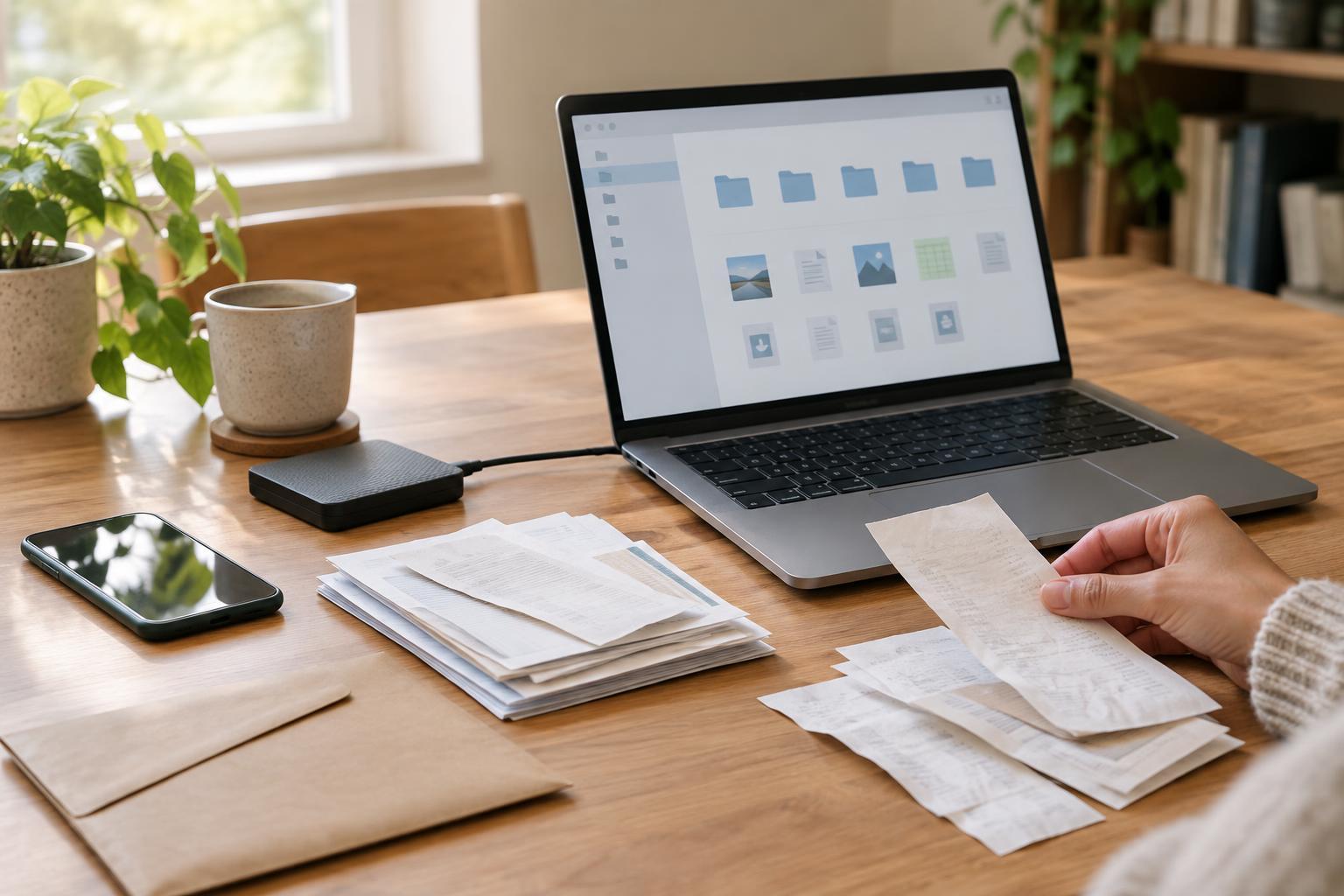
Keep a receipt while you may need to return or exchange an item. For a device, appliance or other purchase with a warranty, save the receipt or order confirmation alongside its warranty details for as long as they may be useful. A receipt can also help identify the model you bought, the seller and the purchase date if you later need support. Keep records for major home purchases or improvements in a separate folder if they may matter for insurance, a future sale or another formal purpose.
Routine receipts for groceries or small purchases usually have less long-term value once you have checked the charge and no longer expect to return anything. Some receipts deserve closer attention, though, including those related to work expenses or taxes. If an emailed order confirmation contains all the details you need, you may not need to save a second copy of the same transaction. Give the copy you keep a clear name so you can find it without searching your entire inbox.
Use bills and statements to answer specific questions
Utility, internet and phone bills can help you confirm a payment, investigate an unexpected charge or compare what you pay over time. Save recent bills while you are checking that payments and service changes appear correctly. If a bill is connected to a dispute, reimbursement or formal requirement, keep it until that matter is resolved and any applicable record-keeping period has passed.
Bank, card and other account statements may be available through an online portal, but access can change when you close an account or switch providers. Consider downloading the statements you would find difficult to replace, particularly those supporting important transactions. Avoid keeping every notification email as well as every bill and statement unless each serves a purpose. Fewer, better-labeled files are easier to check and protect.
Give important documents a safer home
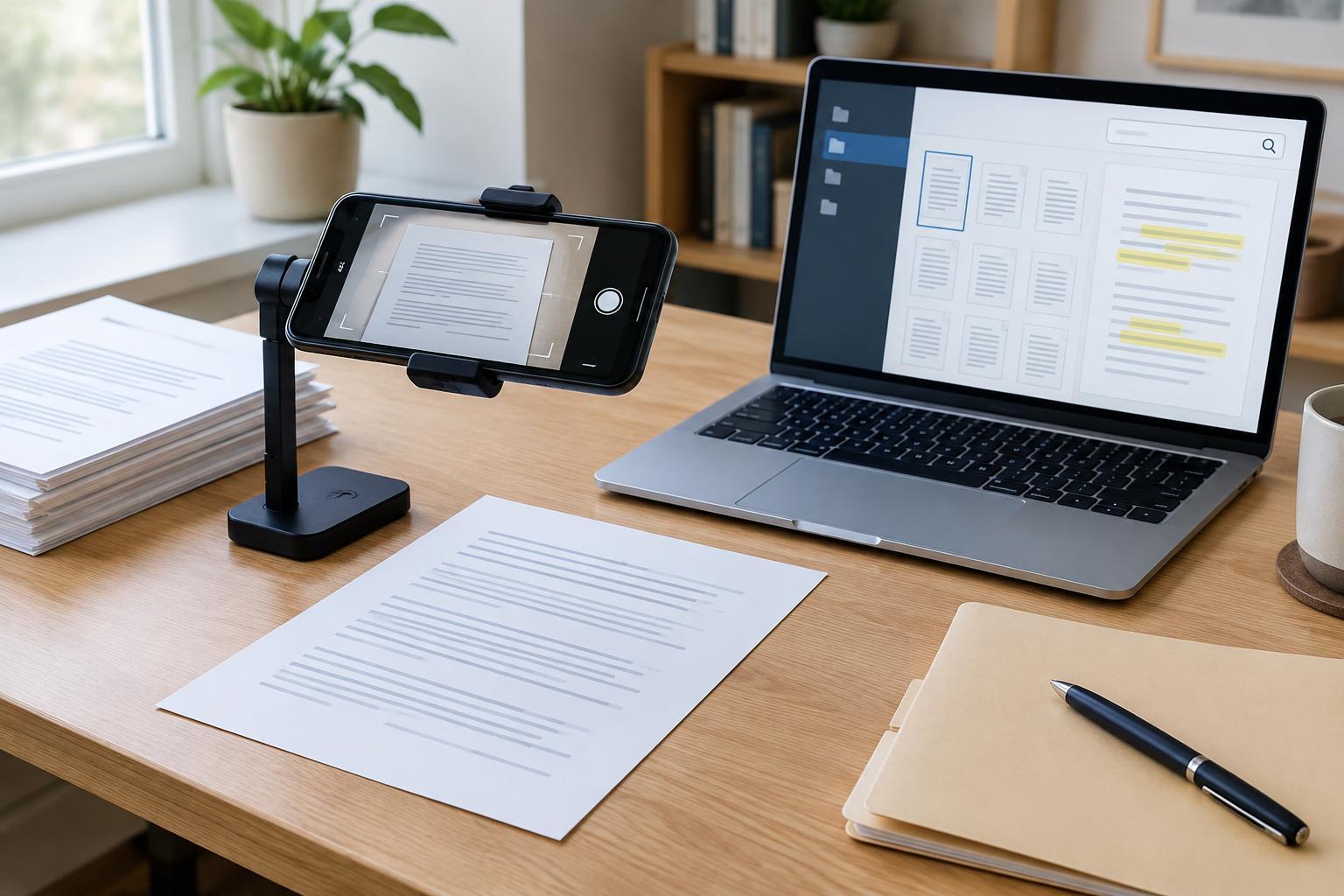
Identity documents, insurance policies, property records, certificates and major agreements are different from everyday receipts. Keep digital copies in a clearly labeled folder so they are easier to locate during an application, claim or move. A scan is useful for reference, but it may not replace a required original or certified copy. Store physical originals safely, and check what a particular organization requires before relying on a digital version.
These files often contain addresses, account numbers and other sensitive details. Protect the device or account where you store them with a strong, unique password and, where available, multifactor authentication. Limit sharing to people who need access. Keep a separate backup so that a lost device, accidental deletion or account problem does not leave you with the only copy gone. If you share a household archive, decide who can view or change its most sensitive folders.
Make filing and cleanup a repeatable habit
You do not need a complicated folder tree. One folder for receipts and warranties, one for bills and statements, and one for important documents may be enough. Within them, use descriptive names such as “2024-06 Laptop receipt” or “Home insurance policy,” rather than the default names assigned to downloads. Choose a date format and use it consistently. If you scan paper, check that every page is readable before filing or disposing of the original.
Set aside time occasionally to review records whose purpose has ended: an expired return window, a replaced device or a settled billing question. Before deleting anything connected to taxes, property, insurance or a dispute, check whether you still need to retain it. Emptying a folder is not the goal. The goal is a small, dependable collection of records that you can find when they matter.