Start with how long you plan to keep it
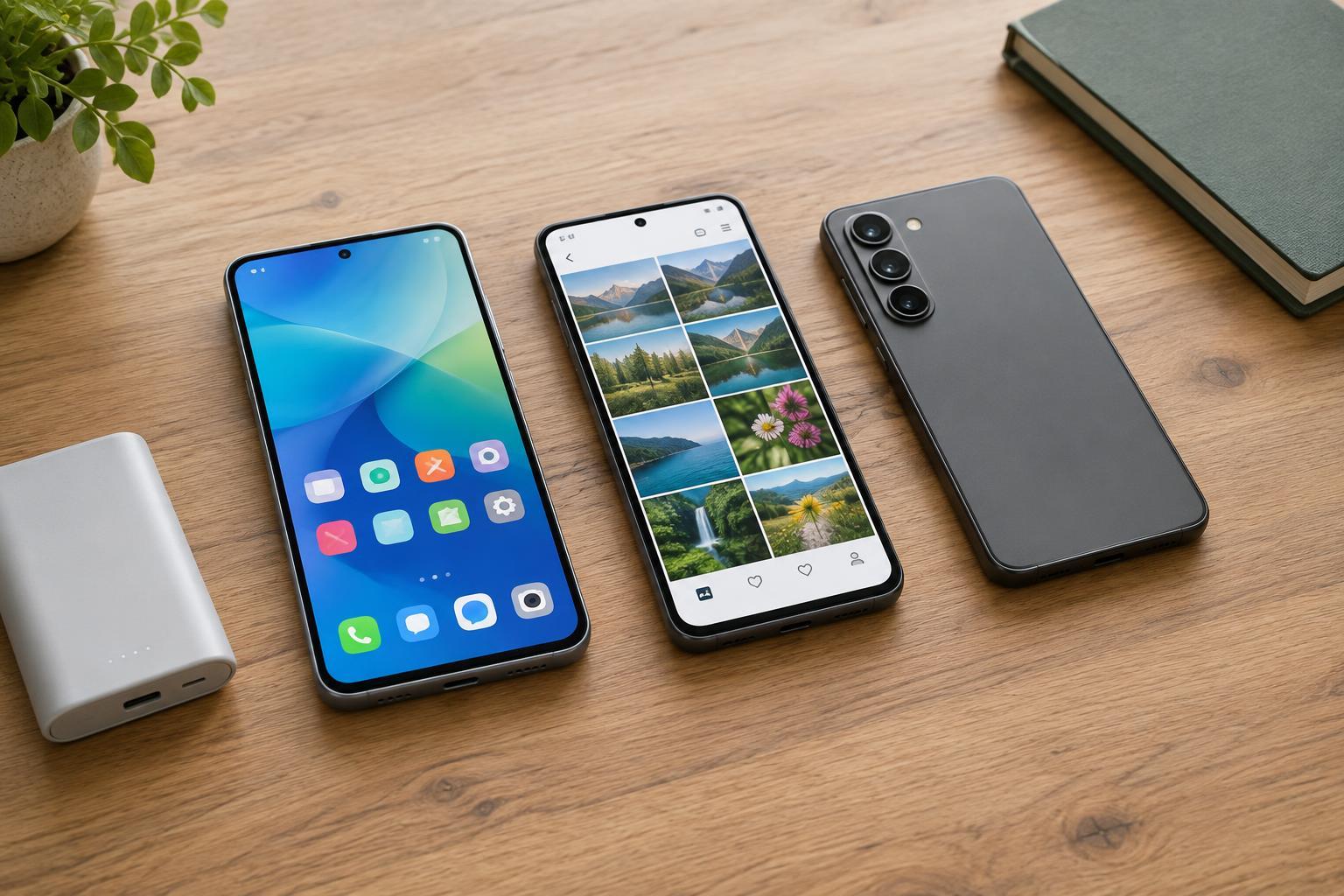
Before comparing models, decide what you need your next phone to do and how long you hope to use it. A person who mostly messages, browses and takes occasional photos may value a dependable battery and a comfortable size more than advanced camera controls. Someone who records frequent videos may need more storage and a different camera setup. Set a budget for the phone and any essentials, such as a case, charger or storage subscription.
Think about the device you have now. What regularly gets in your way: a full storage warning, a battery that fades before evening, a camera that struggles indoors or apps that no longer run well? Write down your two or three biggest frustrations. That short list will help you judge whether a more expensive model solves a real problem or simply offers features you are unlikely to use.
Check software support before judging the hardware
Software support affects how useful a phone remains over time. Look for the maker’s stated policy on operating-system upgrades and security updates for the specific model you are considering. Check when that model was released, too: a long support promise is less valuable if much of its support period has already passed. Policies can differ within a brand’s range, so avoid assuming that every model receives the same treatment.
Also consider the software you will use every day. Make sure the apps you rely on are available, and check whether moving messages, photos, passwords and other data from your current phone will be straightforward. If you already use a smartwatch, earbuds or other accessories, confirm compatibility rather than assuming they will work equally well with a different phone. A familiar, well-supported setup may be more valuable to you than a specification advantage on paper.
Choose storage for your habits, not just today’s files
Storage holds apps, downloads, photos, videos and parts of the operating system. Check how much space you use on your current phone, then allow room for future apps, media and updates. If you regularly shoot video, save music or maps for offline use, or keep large games installed, a higher storage tier may be worth considering. If you mostly stream and keep few files locally, you may need less.
Do not assume you can add storage later. Many phones have no memory-card slot, and cloud storage is not a complete substitute for local space: it may require a subscription and a connection to access some files. Before paying for extra capacity, look for files you could comfortably archive or delete. Then compare the cost of the next storage tier with the inconvenience of managing space throughout the phone’s life.
Treat battery claims as clues, not guarantees
Battery capacity can help you compare phones, but it does not predict your daily experience on its own. Screen size and brightness, processor efficiency, network conditions and your app habits all affect how quickly a charge runs down. Consider your hardest typical day: do you spend long periods away from an outlet, navigate while traveling or use the camera often? If so, battery endurance should carry more weight in your decision.
Check what charging options a phone supports and what comes in the box. A fast-charging claim may depend on a compatible charger, and wireless charging may matter only if you already use a charging pad or want one. If you intend to keep the phone for several years, find out whether battery replacement is available and what it would involve. That practical detail may be more useful than a small difference in advertised charging speed.
Match the cameras to the photos you actually take
A camera specification sheet is a starting point, not a verdict on image quality. Megapixels describe image resolution, but they do not tell you everything about sharpness, color, low-light results or motion. Multiple lenses can be useful when they provide perspectives you need, such as a wider view for groups or a dedicated telephoto camera for distant subjects. Ask whether you would use those views often enough to make them a priority.
Look for features that address your common frustrations. Optical stabilization can help with handheld shooting, while video options matter if you record clips frequently. If close-up photos, selfies or quick pictures of moving people are important to you, pay attention to those specific situations when comparing sample images or trying a display model. A feature list tells you what a phone offers; it cannot replace seeing whether you like its results and controls.
Once you have a shortlist, compare each phone against the same priorities: support period, usable storage, battery needs and the camera tasks you care about. Note which differences are confirmed specifications and which require a hands-on check. The best choice is not necessarily the phone with the most features, but the one whose trade-offs fit the way you expect to use it.